
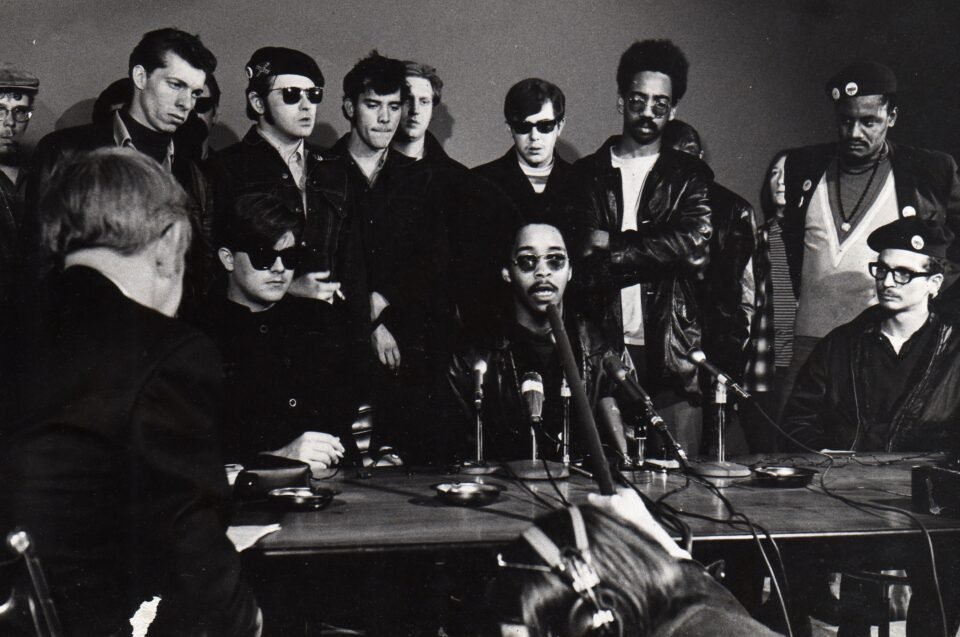
COINTELPRO is one of those phrases that floats around American history like a warning label everyone’s seen but few have actually read. People recognize the name. Fewer understand the machinery behind it, or the damage it left behind—especially in Black communities.
This was not a rumor, a conspiracy theory, or a rogue agent gone off script. It was a formal, centrally directed FBI program that ran for fifteen years and treated political dissent as a disease to be eradicated.
What COINTELPRO Actually Was
COINTELPRO stands for Counter Intelligence Program. It was initiated in 1956 by the Federal Bureau of Investigation and ran officially until 1971.
Its stated purpose was “protecting national security.” Its real function was far more aggressive: to disrupt, discredit, and neutralize political movements the government considered threatening to the existing order.
These were not foreign enemies. These were Americans.
Targets included civil rights organizations, Black liberation groups, anti-war activists, socialist and communist parties, labor organizers, feminist collectives, and student movements. Peaceful protest was not a shield. Popularity was often a liability.
COINTELPRO did not operate passively. The FBI didn’t just watch. It interfered.
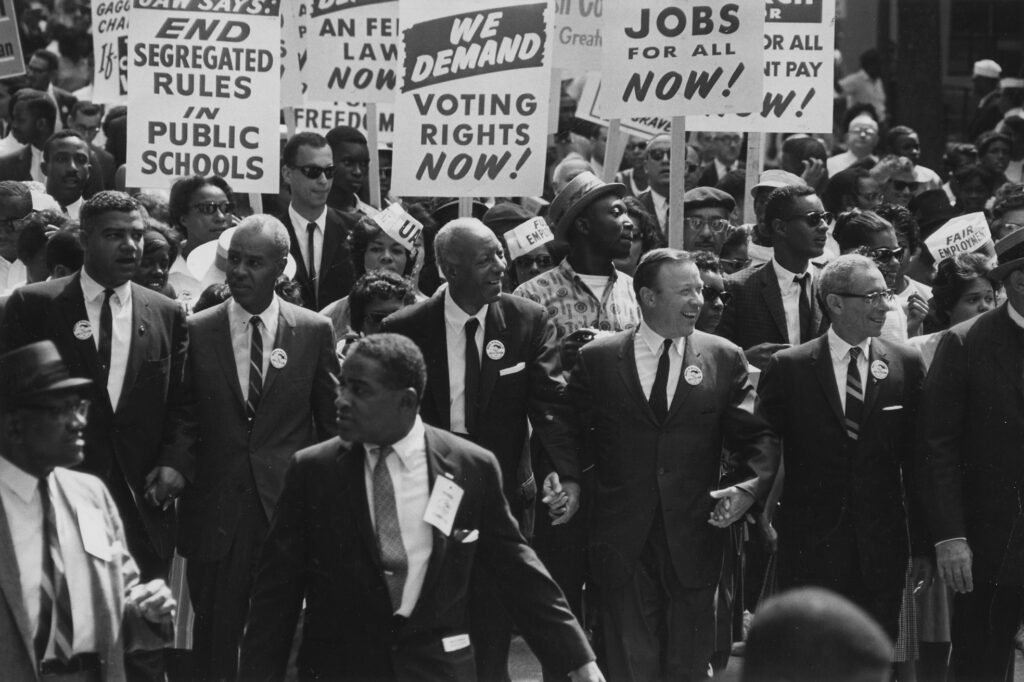
The Tactics: How the Program Worked
The methods used under COINTELPRO were invasive and deliberately destructive.
Agents planted informants inside organizations to report on internal disagreements, finances, and personal relationships. They forged letters to create suspicion between leaders. They leaked false or exaggerated stories to friendly journalists. They pressured employers, landlords, and schools to cut off activists’ livelihoods.
The goal was not law enforcement. It was psychological warfare.
Internal FBI memos made the strategy explicit: create paranoia, encourage infighting, and make movements collapse from the inside.
Careers were destroyed. Marriages were broken. Organizations imploded.
And the damage was often irreversible.
Dr. Martin Luther King Jr.: A “Dangerous” Voice
One of COINTELPRO’s most notorious targets was Martin Luther King Jr..
The FBI wiretapped his phones, bugged hotel rooms, and secretly recorded his private conversations. This surveillance had nothing to do with criminal behavior. It was about control.
In 1964, the FBI sent King an anonymous letter urging him to commit suicide. The letter threatened to expose personal information if he didn’t. Years later, the FBI admitted it authored the letter.
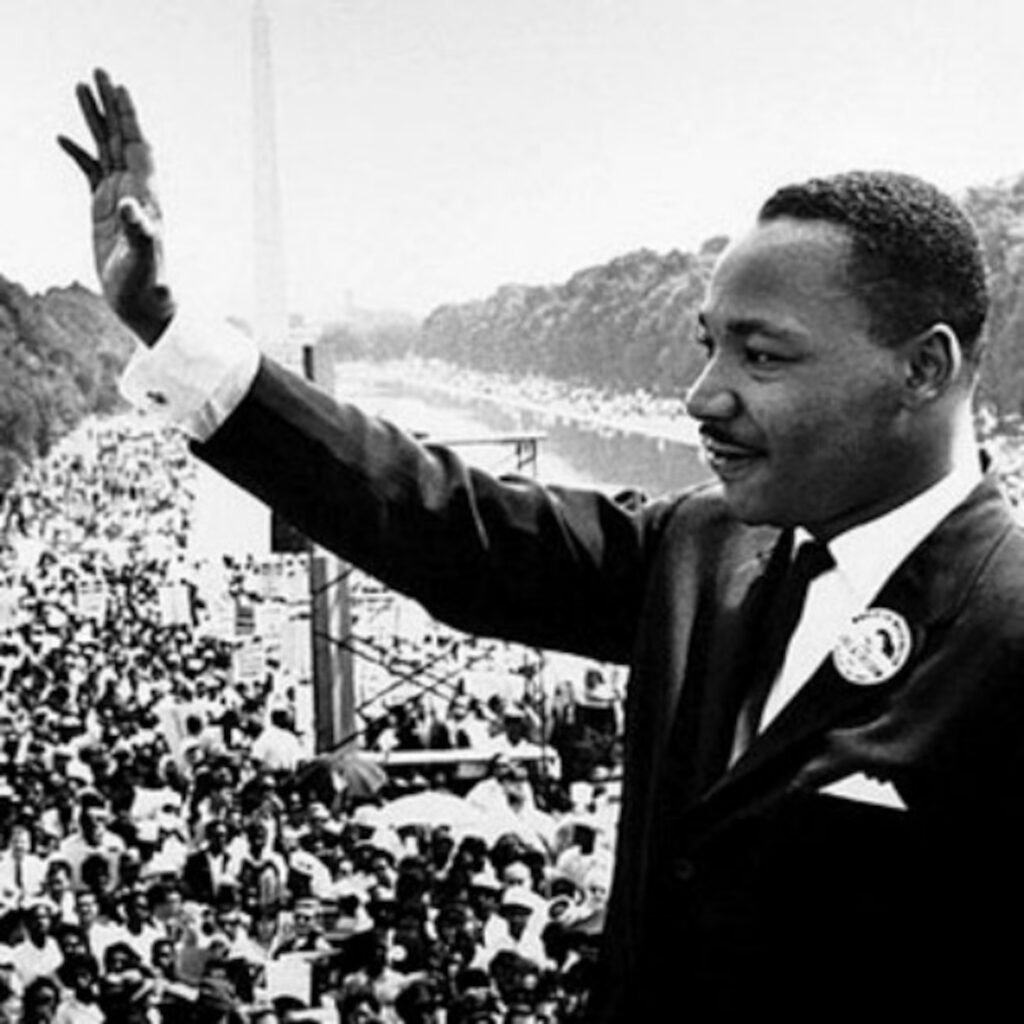
This was not an isolated act. It reflected a broader belief inside the Bureau that King’s influence made him dangerous—not because he promoted violence, but because he mobilized people.
The Black Panther Party and the Escalation to Violence
COINTELPRO’s most aggressive operations were directed at the Black Panther Party.
The FBI viewed the Panthers as an existential threat. Internal documents described the need to prevent the rise of a “Black messiah” who could unify and inspire the movement.
The Bureau flooded chapters with informants, spread false accusations, and intentionally inflamed rivalries between groups. These tactics frequently led to arrests, internal purges, and deadly confrontations.
The most infamous case involved Fred Hampton.
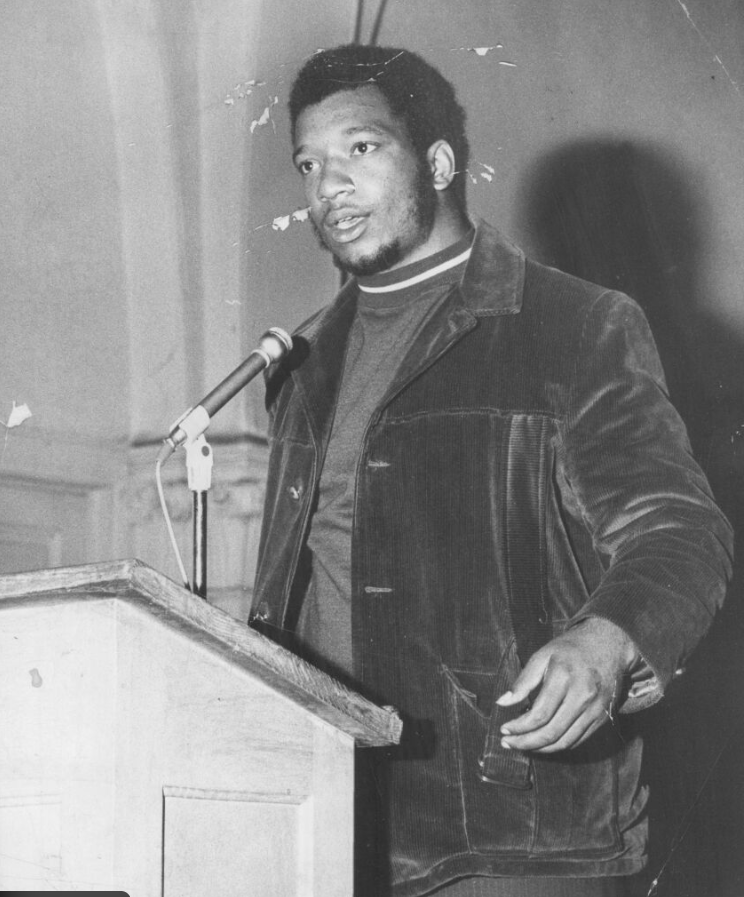
In 1969, Chicago police raided Hampton’s apartment and killed him while he slept. Subsequent investigations revealed that the FBI had provided police with a detailed floor plan of the apartment and intelligence on Hampton’s movements.
This was not an accident. It was coordinated surveillance that ended in death.
How the Program Was Exposed
COINTELPRO likely would have remained hidden much longer if not for a daring act in 1971.
A small group of activists broke into an FBI office in Media, Pennsylvania. They stole classified files and mailed them to journalists. Those documents exposed the existence of COINTELPRO to the public for the first time.
The Church Committee and the Aftermath
In 1975, the U.S. Senate launched a major investigation led by the Church Committee.
The findings were damning.
The Committee concluded that COINTELPRO had systematically violated constitutional rights, abused power, and targeted citizens for their political beliefs. Surveillance was widespread. Oversight was nonexistent. Accountability was minimal.
COINTELPRO was officially shut down.
No senior officials went to prison.
The Long Shadow Over the Black Community
The damage didn’t end with the program.
Black political organizations lost momentum. Leadership pipelines were disrupted. Community trust was shattered. A deep, rational skepticism toward government surveillance took root—and persists today.
COINTELPRO didn’t just suppress movements. It reshaped the political landscape by teaching activists that visibility came with risk, and that the state would intervene when organizing became effective.
That lesson still echoes.
Why COINTELPRO Still Matters
COINTELPRO is not ancient history. It’s a case study in what happens when power operates in secrecy.
Democracy doesn’t fail all at once. It erodes quietly, behind closed doors, justified by fear and protected by silence.
Knowing what the government has done—not just when it was at its best, but when it was at its worst—is not unpatriotic. It’s necessary.
Because accountability only exists when the truth is visible.