
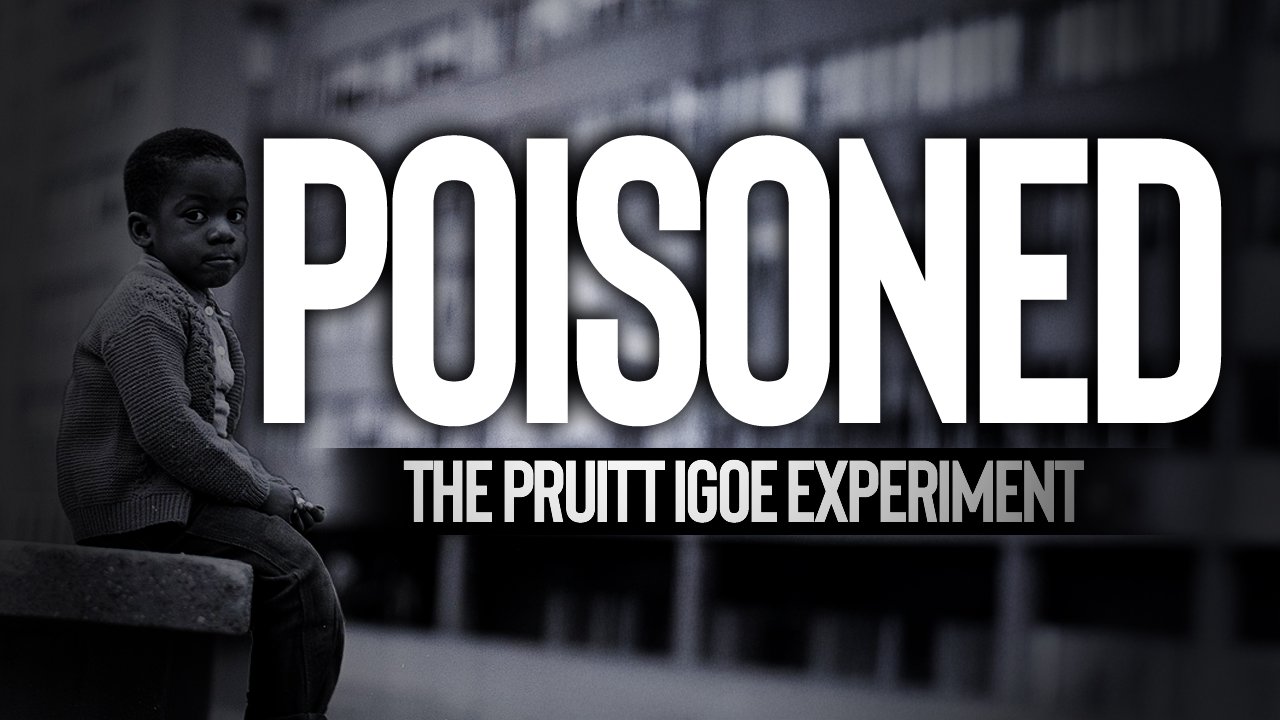
The Pruitt Igoe Experiment

During the Cold War, parts of St. Louis became the site of secret U.S. Army testing meant to study how particles would spread through a dense urban environment. In the 1950s and early 1960s, zinc cadmium sulfide was released from rooftops and other locations to track air movement across the city. Areas around large public housing complexes, including Pruitt-Igoe, were among the places where these dispersion tests took place. At the time, residents were never told the experiments were happening.
Years later, as details were declassified, the program sparked serious debate and concern. Officials had described the material as harmless, but the fact that entire communities were unknowingly included in open-air testing raised lasting questions about ethics, transparency, and the human cost of Cold War research. This video takes a closer look at what happened, why it was done, and why the story still matters today.
Sharing
Tags



They will have to pay for the evil that they have done.